



















































Pakistan Accuses India of Blocking Jhelum Water Flow: What the Data Really Shows
Pakistan accuses India of blocking Jhelum River water after Indus Waters Treaty suspension, but experts say seasonal factors may explain the fluctuations.

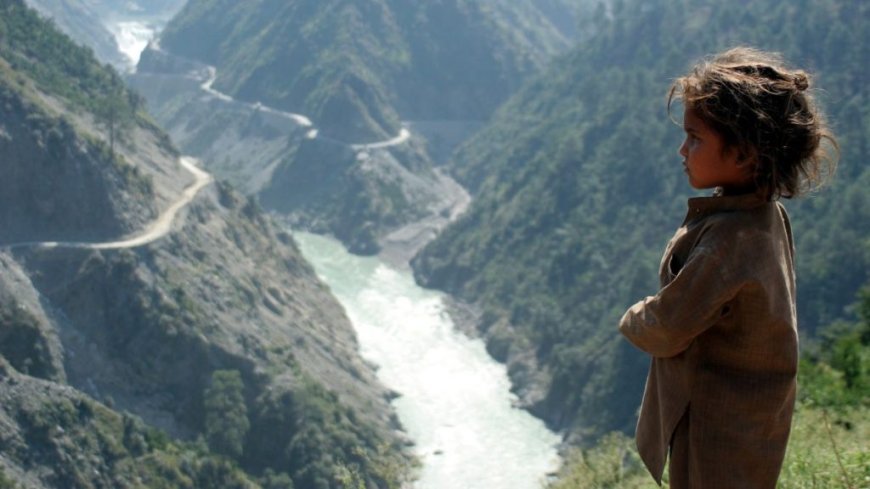
Pakistan has once again accused India of disrupting river flows, claiming that New Delhi is blocking and releasing water from the Jhelum River without warning. Islamabad has raised the issue through a formal communication, alleging abrupt variations in water discharge.
The allegation comes in the wake of India suspending the Indus Waters Treaty (IWT) following the April Pahalgam terror attack, in which 26 people were killed. Pakistan claims that recent changes in river flow pose a serious threat to its agriculture and food security.
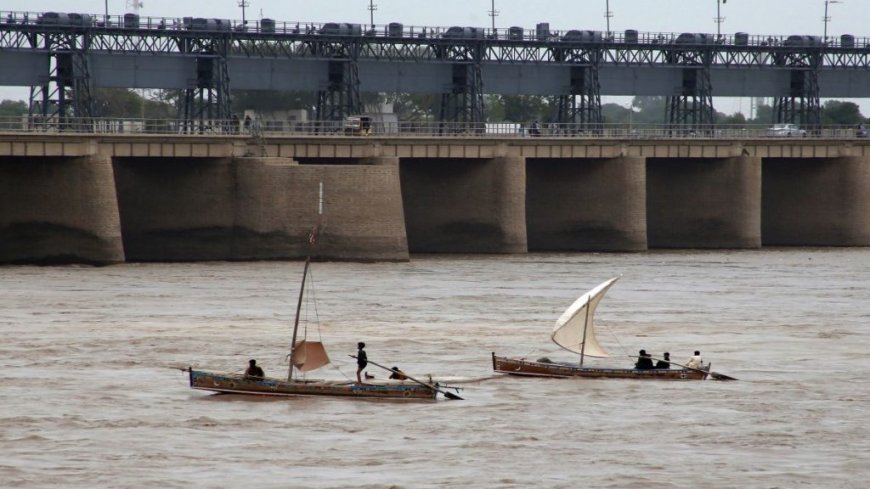
Pakistan’s Claims
According to Pakistani officials, the Jhelum and Chenab rivers have witnessed an unusual decline in water levels, with flows reportedly dropping from over 5,000 cusecs to around 3,000 cusecs.
In a letter sent to India this week, Pakistan described the situation as “serious and alarming,” warning that it could affect the livelihoods of nearly 240 million people, especially as it coincides with the Rabi sowing season.
Pakistan’s Indus Waters Commissioner Syed Mehr Ali Shah claimed that reduced inflows from India into the Mangla Dam—located near Mirpur—have severely impacted irrigation in Punjab’s Chaj Doab region. About 15 million out of 25 million irrigated acres are reportedly receiving insufficient water.
An internal Pakistani report stated that on December 14, inflows at Mangla were around 5,000 cusecs, while outflows stood at 33,000 cusecs. By December 15, inflows dropped to 3,300 cusecs and remained at that level until December 19, even as outflows continued unchanged.
Officials also pointed to data from the Kerot Hydropower Project, suggesting similar flow patterns and alleging deliberate water control upstream in India.
Allegations Around Baglihar Dam
Pakistan has accused India of intentionally holding back water at the Baglihar Dam on the Chenab River. The Pakistani water ministry cited satellite imagery showing a reduction in the reservoir’s surface area between December 8 and December 13, followed by a refill—interpreting this as evidence of deliberate manipulation.
Is India Actually Blocking Water?
Despite the strong claims, Pakistan has not formally escalated the issue beyond sending letters. While it initially alleged sudden releases of Chenab waters—up to 58,000 cusecs between December 7 and 8—it later acknowledged that river levels had stabilised.
India has not yet responded to the communications, and there is no conclusive evidence to indicate intentional disruption of water flows.
Experts note that seasonal changes, snowmelt, rainfall patterns, and dam operations naturally cause fluctuations in river volumes, making such variations not uncommon during winter months.
About the Indus Waters Treaty
Signed in 1960, the Indus Waters Treaty governs the sharing of six rivers between India and Pakistan. India has exclusive rights over the eastern rivers—Ravi, Beas, and Sutlej—while Pakistan controls the western rivers—Indus, Jhelum, and Chenab.
Following the Pahalgam attack, India announced that the treaty would remain suspended until Pakistan “credibly and irrevocably” ends support for cross-border terrorism.
Pakistan responded by terming the move an “act of war,” warning that any attempt to stop or divert water meant for Pakistan would trigger a strong response.
What's Your Reaction?
 Like
0
Like
0
 Dislike
0
Dislike
0
 Love
0
Love
0
 Funny
0
Funny
0
 Angry
0
Angry
0
 Sad
0
Sad
0
 Wow
0
Wow
0